













DSM 7.2 NVMe Storage Pool: How to plan and set it up in Australia
Use this guide to decide when NVMe storage pools make sense and how to deploy them safely.
Overview
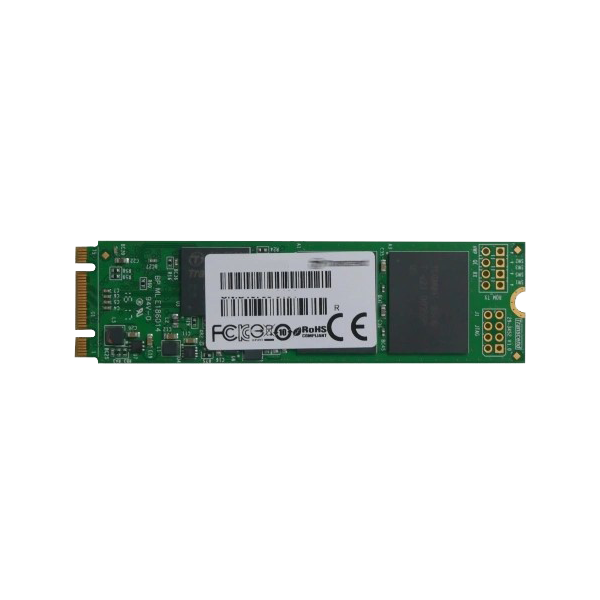
DSM 7.2 allows supported models to create storage pools on NVMe drives. This makes sense when you want low latency for small file workloads.
Keep bulk storage on HDD arrays and place hot data and indexes on NVMe.
When to use NVMe storage pools
Choose NVMe pools when responsiveness and small random I O matter.
- Photo catalogs and previews
- Metadata heavy applications
- Test and development virtual machines
Compatibility and prerequisites
Confirm support before buying drives.
- Check that your NAS model supports NVMe pools on DSM 7.2 or later
- Use compatible NVMe drives and consider heatsinks if airflow is limited
- Update DSM and drive firmware before creation
Planning the layout
Decide which data lives on NVMe and which stays on HDD arrays.
- Use RAID 1 or RAID 5 on NVMe depending on slot count and risk tolerance
- Keep snapshots and replication in place
- Document app data paths for faster recovery
Setup steps
A clean sequence reduces migration risk.
- Update DSM and confirm drive detection
- Create the NVMe pool and volume with your chosen file system
- Move app data or create new shared folders on the NVMe volume
- Verify permissions and scheduled tasks
Performance and monitoring
Watch temperature and endurance. Maintain airflow over the NVMe slots.
- Schedule S M A R T tests and monitor drive life indicators
- Track latency for key applications
- Review any background tasks that can shift load to HDD arrays
Safety and data protection
Treat the NVMe volume like any critical data store.
- Use snapshots and replication to another device
- Keep an offsite copy for disaster recovery
- Test restores monthly
FAQs
Short answers to common questions.
- Will NVMe replace HDDs? Not for bulk capacity needs
- Do I need heatsinks? Recommended in limited airflow cases
- Is endurance a concern? Select suitable TBW and monitor writes
Need technical support or more detailed guidance? Please contact Synology via our Synology Support – Australia page. It includes ticket, Live Chat, warranty and downloads links.