Samsung MZ-V9S2T0BW (990 EVO PLUS) 2TB, M.2 INTERNAL NVMe PCIe SSD, 7250R/6300W MB/s
Adding product to your cart
2TB PCIe 4.0 x4 / PCIe 5.0 x2 NVMe 2.0 M.2 SSD
Samsung 990 EVO Plus 2TB MZ-V9S2T0BW Internal NVMe SSD
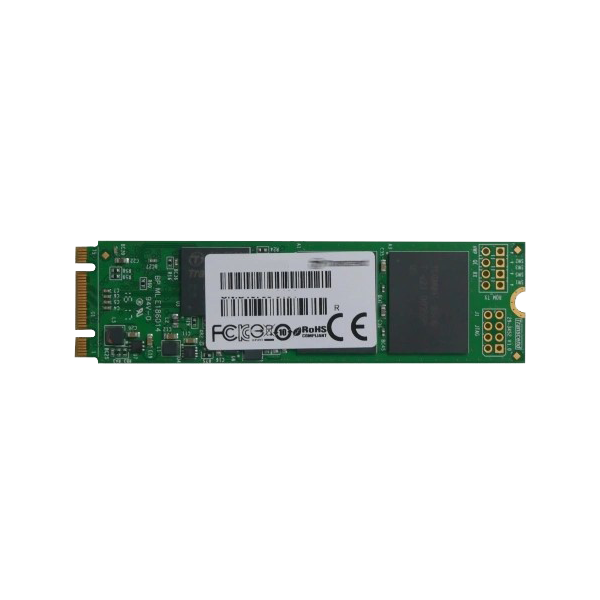
The Samsung 990 EVO Plus 2TB MZ-V9S2T0BW is an M.2 2280 client SSD rated up to 7,250MB/s sequential read, 6,300MB/s sequential write and 1,000K IOPS/1,350K IOPS random read/write IOPS, with 1,200TBW endurance.
- 2TB capacity
- 7,250MB/s/6,300MB/s
- 1,000K IOPS/1,350K IOPS
- PCIe 4.0 x4 / 5.0 x2
- HMB cache architecture
- 1,200TBW / 5-year limited warranty
| Capacity |
2TB |
| Performance |
Up to 7,250MB/s/6,300MB/s |
| Interface |
PCIe 4.0 x4 / PCIe 5.0 x2, NVMe 2.0 |
| Endurance |
1,200TBW |
Responsive client storage with a flexible PCIe interface
The Samsung 990 EVO Plus 2TB MZ-V9S2T0BW combines Samsung V-NAND TLC, an in-house controller and Host Memory Buffer architecture for supported client PCs. Its dual-interface design can operate through PCIe 4.0 x4 or PCIe 5.0 x2, while Intelligent TurboWrite supports the published write-performance profile under Samsung's stated conditions.
Dual PCIe interface
Samsung specifies PCIe 4.0 x4 or PCIe 5.0 x2 with NVMe 2.0, giving the drive flexibility across compatible M.2 platforms.
Up to 7,250MB/s read
This exact 2TB model is rated for sequential reads up to 7,250MB/s.
Up to 6,300MB/s write
Sequential write performance reaches up to 6,300MB/s with Intelligent TurboWrite active under the stated test conditions.
1,000K IOPS/1,350K IOPS
Capacity-specific random performance is rated up to 1,000K IOPS read and 1,350K IOPS write IOPS.
HMB cache architecture
Host Memory Buffer uses supported system memory rather than a dedicated DRAM cache on the drive.
Security and warranty
AES 256-bit, TCG Opal 2.0 and IEEE1667 support accompany a five-year limited or 1,200TBW warranty, whichever comes first.
Who is the Samsung 990 EVO Plus 2TB MZ-V9S2T0BW best for?
A strong choice for
- Compatible client PCs with an M.2 2280 PCIe slot
- Gaming and everyday performance upgrades
- Creative work and large-file transfers
- Systems supporting PCIe 4.0 x4 or PCIe 5.0 x2
- 2TB buyers seeking a Samsung consumer NVMe drive
Consider another model if you need
- Your system lacks a compatible M.2 2280 PCIe slot
- You require an integrated heatsink
- Your platform cannot provide sufficient airflow or cooling
- You require endurance above 1,200TBW
- You need an enterprise or data-centre SSD
Key specifications
| Official model code |
MZ-V9S2T0BW |
| Capacity |
2TB |
| Application |
Client PCs |
| Form factor |
M.2 2280 |
| Interface |
PCIe 4.0 x4 / PCIe 5.0 x2, NVMe 2.0 |
| NAND |
Samsung V-NAND TLC |
| Cache memory |
Host Memory Buffer (HMB) |
| Sequential read/write |
Up to 7,250MB/s/6,300MB/s |
| Random read/write |
Up to 1,000K IOPS/1,350K IOPS |
| Endurance |
1,200TBW |
| MTBF |
1,500,000 hours |
| Dimensions |
Maximum 80.15 × 22.15 × 2.38mm |
| Warranty |
Five-year limited or TBW, whichever comes first |
Full technical specifications
Hardware and performance
| Series |
Samsung 990 EVO Plus |
| Official model code |
MZ-V9S2T0BW |
| Capacity |
2TB |
| Usage application |
Client PCs |
| Form factor |
M.2 2280 |
| Interface |
PCIe 4.0 x4 / PCIe 5.0 x2, NVMe 2.0 |
| Backwards compatibility |
PCIe 4.0 x4 and PCIe 3.0 x4 |
| Controller |
Samsung in-house controller |
| NAND flash |
Samsung V-NAND TLC |
| Cache memory |
Host Memory Buffer (HMB) |
| Sequential read |
Up to 7,250MB/s |
| Sequential write |
Up to 6,300MB/s |
| Random read |
Up to 1,000K IOPS |
| Random write |
Up to 1,350K IOPS |
| Write acceleration |
Intelligent TurboWrite |
Power, reliability and endurance
| Average active read power |
4.6 W |
| Average active write power |
4.2 W |
| Typical idle PS3, APST on |
60 mW |
| Typical idle PS4, L1.2 |
5 mW |
| Operating temperature |
0°C to 70°C, measured by S.M.A.R.T. |
| Non-operating temperature |
-40°C to 85°C |
| Humidity |
5% to 95% non-condensing |
| Non-operating shock |
1,500G for 0.5ms, three axes |
| Non-operating vibration |
20–2,000Hz, 20G |
| MTBF |
1,500,000 hours |
| Endurance |
1,200TBW |
| Warranty |
Five-year limited or TBW, whichever comes first |
Physical details, features and security
| Dimensions |
Maximum 80.15 × 22.15 × 2.38mm |
| Integrated heatsink |
No |
| Airflow |
Proper airflow recommended |
| TRIM |
Supported; operating-system support required |
| Garbage Collection |
Supported |
| S.M.A.R.T. |
Supported |
| Encryption |
AES 256-bit full-disk encryption |
| Security standard |
TCG Opal 2.0 |
| Encrypted Drive |
IEEE1667 |
| Nominal capacity note |
Actual usable capacity may be lower |
Frequently asked questions about the Samsung 990 EVO Plus 2TB MZ-V9S2T0BW
What is the Samsung 990 EVO Plus 2TB MZ-V9S2T0BW?
It is a 2TB M.2 2280 client SSD using PCIe 4.0 x4 or PCIe 5.0 x2 with NVMe 2.0.
What sequential speed does the MZ-V9S2T0BW provide?
Samsung rates this exact capacity up to 7,250MB/s read and 6,300MB/s write.
What random performance applies to the MZ-V9S2T0BW?
It is rated up to 1,000K IOPS random-read and 1,350K IOPS random-write IOPS.
What interface does the MZ-V9S2T0BW use?
It supports PCIe 4.0 x4 or PCIe 5.0 x2 with NVMe 2.0 and is backwards compatible with PCIe 3.0 x4.
Does the MZ-V9S2T0BW have dedicated DRAM?
Samsung specifies Host Memory Buffer rather than dedicated DRAM cache memory.
Does the MZ-V9S2T0BW include a heatsink?
No. The published dimensions describe a low-profile M.2 module without an integrated heatsink; confirm host cooling.
What endurance applies to the MZ-V9S2T0BW?
Samsung specifies 1,200TBW for this 2TB model.
What security features does the MZ-V9S2T0BW support?
Samsung lists AES 256-bit full-disk encryption, TCG Opal 2.0 and IEEE1667 Encrypted Drive.
What are the MZ-V9S2T0BW dimensions?
The published maximum dimensions are 80.15 × 22.15 × 2.38mm.
What warranty applies to the MZ-V9S2T0BW?
Samsung specifies five years limited or 1,200TBW, whichever comes first, subject to its warranty terms.
Important information:
- Confirm M.2 2280 interface support, clearance, power and cooling before purchase.
- Proper airflow is recommended; performance varies by firmware, host hardware and configuration.
- Published write performance uses Intelligent TurboWrite within supported transfer conditions.
- Actual usable capacity may be lower than the labelled capacity.